Publication
-
Entity of Decolonization. The Afterlives of Colonial–Fascist ArchitectureEmilio Distretti, Sandi Hilal, and Alessandro Petti
AuthorsPark Books, 2027 -
GRANTEE
Emilio Distretti, Sandi Hilal & Alessandro PettiGRANT YEAR
2026

Madlener House
4 West Burton Place
Chicago, Illinois 60610
Telephone: 312.787.4071
info@grahamfoundation.org
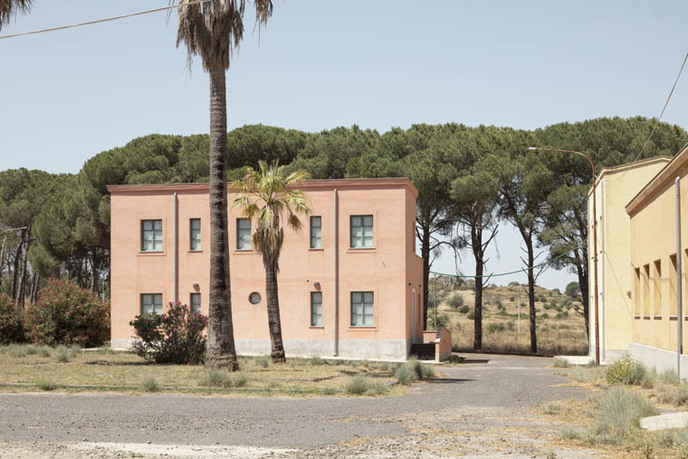
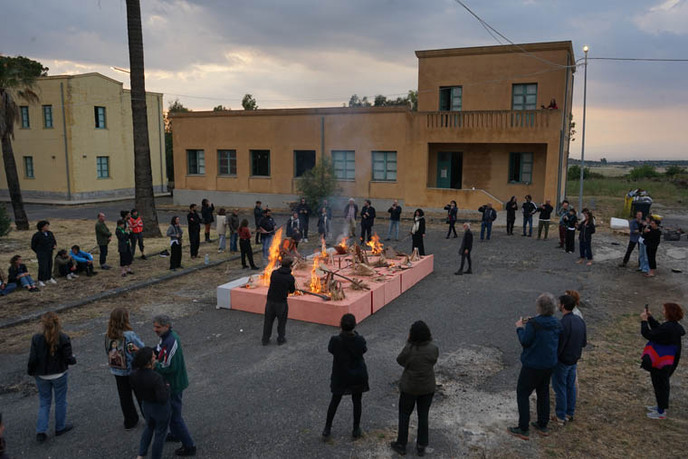
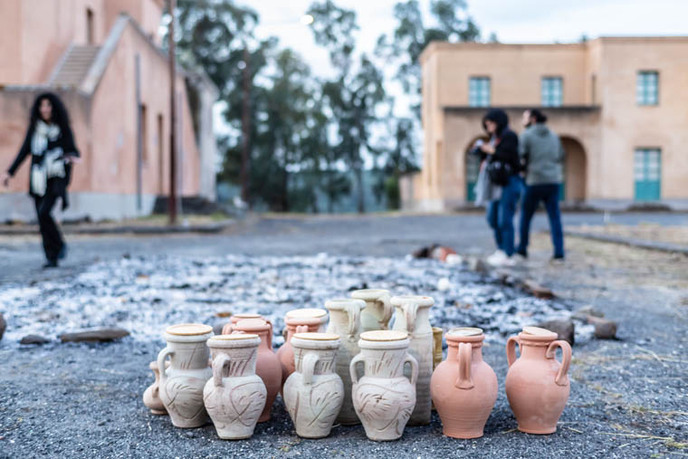
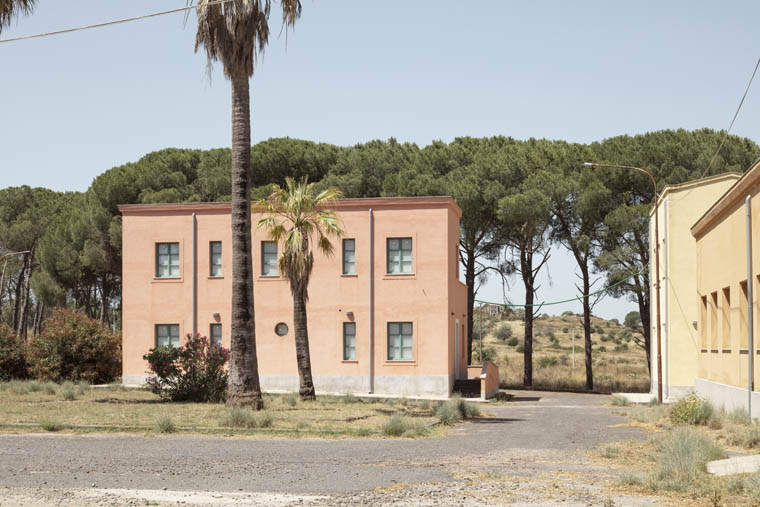
Luca Capuano, “Former Ente di Colonizzazione del Latifondo Siciliano (ECLS), Borgo Rizza, Carlentini, Sicily, built 1940–43,” 2020. Photograph. Courtesy Luca Capuano
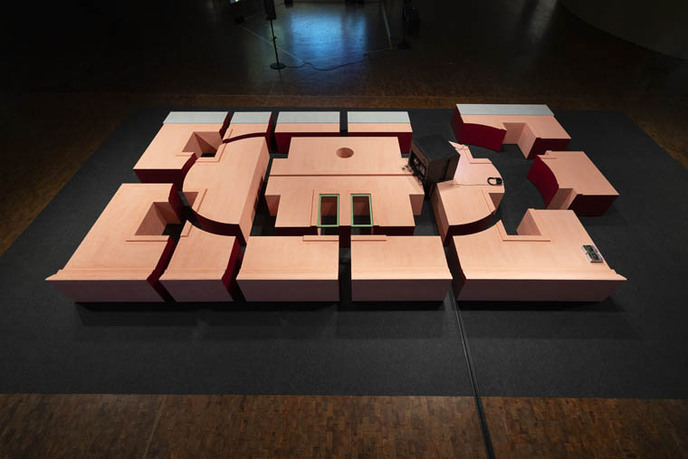
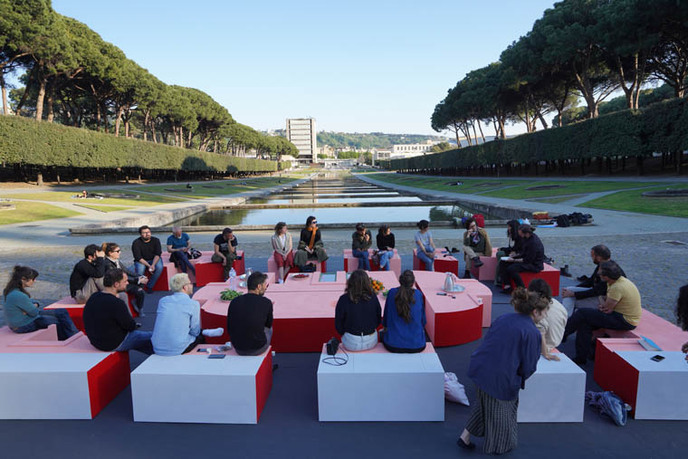
The Entity of Decolonization investigates the afterlives of colonial–fascist architecture, focusing on how the ruins and remnants of fascist modernism in Italy and its former colonies can be critically reoriented. Rather than treating these structures as neutral monuments or erasing them from public memory, the project explores how they can become sites of decolonization, collective pedagogy, and antifascist futures. Developed through more than two decades of research, teaching, and public engagement by DAAR (Decolonizing Architecture Art Residency), this book combines historical and archival inquiry with experimental practices of reuse, assemblies, and summer schools. By situating the Italian experience within broader debates on colonial modernity, difficult heritage, and demodernization, the project challenges dominant narratives of architectural history and preservation. Entity of Decolonization. The Afterlives of Colonial–Fascist Architecture brings together essays, photographs, and plans to engage architects, scholars, students, and the wider public in rethinking how architecture can confront contested pasts.
Alessandro Petti is an architect, researcher, and educator whose work lies between architecture, art, pedagogy, and politics. He is professor of architecture and social justice at the Royal Institute of Art in Stockholm, where he directs the Decolonizing Architecture advanced course. With Sandi Hilal, he co-founded DAAR—Decolonizing Architecture Art Residency—in Palestine, a collective that moves between site-specific interventions, conceptual speculation, and pedagogical programs. His books include Architecture after Revolution (Sternberg Press, 2013); Permanent Temporariness (Art and Theory, 2019); and Refugee Heritage (Art and Theory, 2021). Petti has participated in multiple international biennials of art and architecture, including Venice, Istanbul, Chicago, and Sharjah. In the proposed project, he serves as lead author and editor, developing the conceptual framework of the book and situating the case study of Borgo Rizza within broader debates on colonial modernity, difficult heritage, and the decolonization of architecture.
Sandi Hilal is an architect, artist, and educator whose work emerges where architecture, art, and collective life meet. She traces paths through displacement, statelessness, and migration—inviting political imagination to grow through acts of learning together, hosting one another, and reclaiming space as a collective journey of self-determination and re-existence. Hilal lives and works through DAAR – Decolonizing Architecture Art Research, an architectural and artistic collective she co-practices with Alessandro Petti. Daar, meaning “home” in Arabic, is both the conceptual ground and shared life of their political, spatial, and pedagogical explorations. Over the years, DAAR has become a space for extending work through collaborations, friendships, and communities rooted in long-term engagements. Among her key initiatives are The Living Room (Al-Madhafah), which reclaims domestic space as a site of hosting as political practice and shared agency; The Concrete Tent, a gathering space negotiating permanence and temporariness in conditions of exile; Refugee Heritage and Stateless Heritage, which challenge dominant preservation frameworks by advocating for refugee camps as sites of living history; The Tree School, a nomadic space of learning that fosters neighboring as a pedagogical practice; and Campus in Camps, a pioneering educational platform in Dheisheh refugee camp that generated new vocabularies grounded in refugee experience. Most recently, she coinitiated DAAS Sharjah (Decolonizing Architecture Advanced Studies)—a pedagogical platform developed with the Sharjah Architecture Triennial, committed to situated learning and collective research on architecture and decolonization.
Emilio Distretti is a London-based researcher and educator at the Royal College of Art’s School of Architecture. His work bridges writing, teaching, and collaborative practice to explore the afterlives of colonial architecture through the lenses of critical preservation, spatial justice, and transnational struggles for reparations. He collaborates with RIWAQ – Centre for Architectural Conservation in Palestine. Distretti holds a PhD in aesthetics and the politics of representation from the University of Portsmouth (United Kingdom) and previously directed the Urban Studies and Spatial Practices program at Al-Quds Bard College in Abu Dis, Palestine. His research and essays have appeared in journals and books including Cabinet, e-flux, The Journal of Architecture, Future Anterior, and Antipode: A Journal of Radical Geography.
Copyright © 2008–2026 Graham Foundation. All rights reserved.